



All children have different learning styles- some children learn through hearing, others require some repeating and some children require gentle encouragement before they become confident. And that, by the way, is quite natural. Especially with Quran learning, where pronunciation, understanding, and connection all grow at their own pace. At Alhamd Islamic Center, personalized Quran learning for kids starts with one simple truth: age matters, yes, but the child as an individual matters even more.
I remember a little girl in my class humming a short surah under her breath. She wasn’t reading perfectly yet, but she was engaged-and that spark? That’s the moment you know learning is clicking.
Understanding Why Age Matters in Quran Education
A four-year-old and a fourteen-year-old they do not learn alike. Young children depend on listening, repetitions and on rhythm. Older students? They can handle rules, reflection, and memorization.
Ignore those differences, and kids can get frustrated. Respect them, and learning becomes something they look forward to (and yes, even some reluctant teens end up enjoying it). I’ve seen it happen: a student who avoided sessions for weeks suddenly beams after mastering a short surah. Little moments like that? Absolutely priceless.
The Philosophy of Personalized Quran Learning at Alhamd Islamic Center
Alhamd Islamic Center is all about child-centered learning. The goal isn’t rushing through a curriculum; it’s helping students feel comfortable, confident, and curious.
A parent once told me, “I worried my son wasn’t learning fast enough, but he actually loves his sessions now.” That’s the philosophy in action-less pressure, more steady progress. Accuracy comes with time, and comfort comes first.
Age-Based Quran Learning Methods Used by Alhamd Islamic Center
Quran Learning for Early Childhood (Ages 4-6)
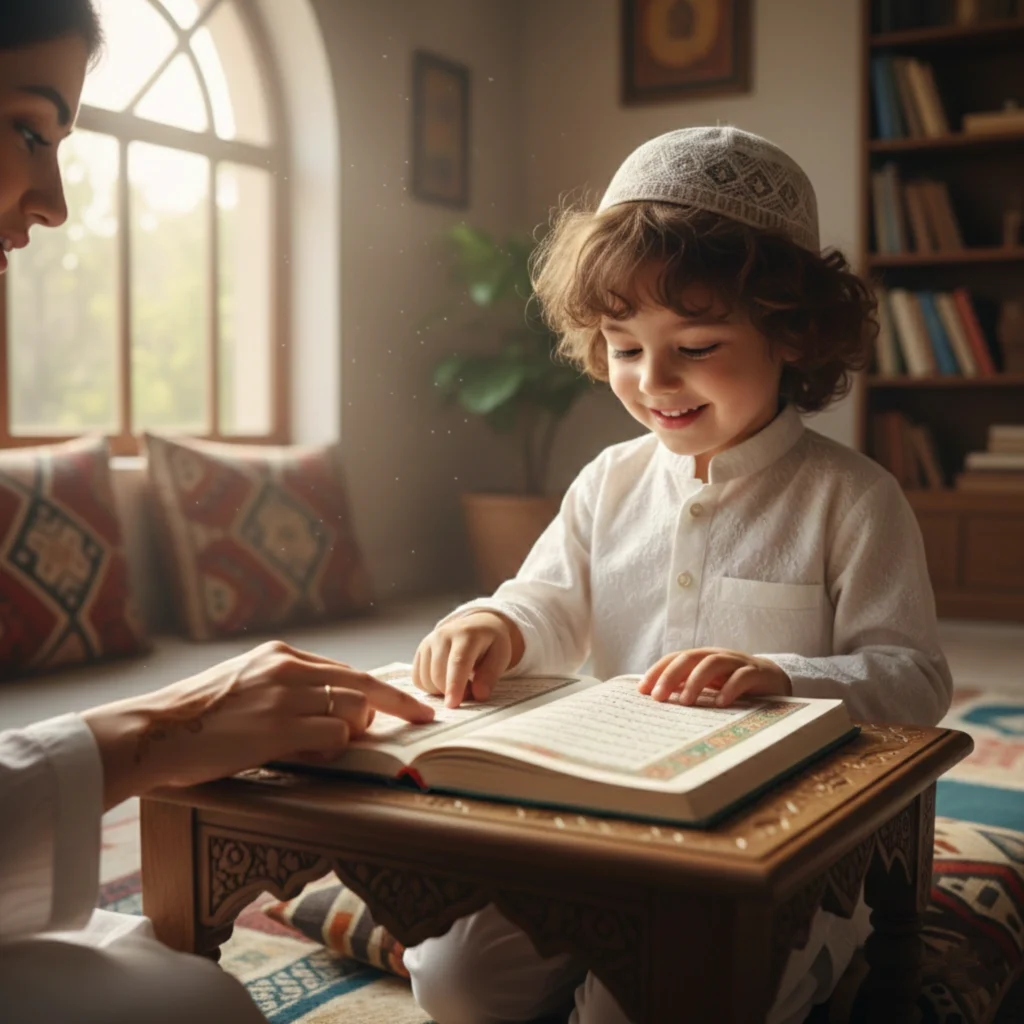
Lessons here are short, calm, and interactive. Kids learn Arabic letters, basic sounds, and short duas mostly by listening and repeating. Teachers use familiar rhythms, songs, and visuals-anything that keeps tiny minds engaged.
I’ll never forget a little boy pointing at his book and whispering, “I did it myself!” after sounding out a letter correctly. Those tiny victories? They make all the difference. Even when it seems small, you can see their confidence grow week by week.
Structured Quran Learning for Children (Ages 7–10)
At this stage, things get more structured-Noorani Qaida, basic Tajweed, short surahs with understanding. Mistakes happen (oh, they always happen), but corrections are gentle.
Parents often tell us their children come home repeating surahs with surprising confidence. And honestly, that’s the goal: lessons that feel natural rather than forced. Sometimes, a child will suddenly read a surah perfectly and just grin-makes you realize the patience really pays off.
Advanced Learning for Pre-Teens and Teens (Ages 11+)
Older students dive deeper-Tajweed rules, memorization techniques, and even some reflection on meaning. Responsibility becomes part of learning: self-correction, revision, small personal goals.
One teen once said, “I get it now… I think I actually enjoy reading with Tajweed.” That moment? Priceless. Teens sometimes need a nudge, sure, but once it clicks, it really sticks.
How Teachers Assess Learning Pace and Progress
Every student starts with a simple assessment. Not to pressure anyone, just to understand how lessons should flow. Reading ability, pronunciation, comfort-teachers take it all into account.
Progress isn’t about comparing students-it’s about steady improvement. Parents are updated along the way. One mom laughed saying, “I didn’t realize he could read like this!” Those little surprises happen all the time and keep everyone motivated.
The Role of Parents in Personalized Quran Learning
Parents don’t need to hover (really, don’t). Small actions-listening, asking for a recitation, encouraging practice-make a huge difference.
In Alhamd Islamic Center, instructors frequently provide hints on how to help learning in a non-aggressive way. Children react to motivation and not coercion. And truthfully, working together with the parents and the teachers makes the process a lot easier and more enjoyable to all parties involved.
Benefits of Personalized Online Quran Classes for Kids
Online Quran learning enables the students to learn at their own pace. One-on-one attention implies that errors are identified early on and lessons are amended instantly.

Flexibility is huge too. Families across different time zones, or with busy schedules, can keep learning consistent. I’ve seen students flourish simply because they felt supported, not rushed. Even a short session every few days can have a surprisingly big impact over time.
Why Families Choose Alhamd Islamic Center for Age-Based Quran Education
Parents notice patience, clarity, and a thoughtful curriculum. Tutors understand developmental needs, age differences, and spiritual sensitivity.
It’s not just about completing lessons; it’s about nurturing a long-term connection with the Quran. Those small, steady wins often matter more than perfect recitation at the start. One parent said, “It feels like they really know my child, not just the curriculum.” That says it all.
Getting Started with Personalized Quran Learning
The first step is understanding the child-not assigning a level immediately. Trial sessions help teachers see comfort and readiness, which makes placement smoother.
Families curious about programs can explore details on alhamdofficial.com. Even just reading about the options eases nerves-it’s less intimidating than it sounds, honestly.
Frequently Asked Questions
Many begin as early as four, but readiness matters more than age. Teachers evaluate attention span and interest first.
Lessons are tailored to each child’s age, pace, and learning style, with one-on-one attention and structured progression.
No. Memorization is gradual, based on readiness, confidence, and consistent practice, not speed.
Absolutely. Programs accommodate beginners of all ages with age-appropriate methods and respectful guidance.
Consistency is key-two to three focused sessions per week often produce meaningful results without stress.
Conclusion
Learning Quran is not a race it is a journey. When age, pace and personality of a child has been honored in lessons, progress will occur naturally (with or without some smiles along the way). The strategy that Alhamd Islamic Center has developed leads to a sense of confidence and understanding and long term attachment to the Quran.
Thinking about getting started? Sometimes the simplest first step-just exploring-can make all the difference.