



Starting Quran reading can feel a little intimidating. Letters and sounds that are new, a right-to-left script, it is a lot. That’s why many learners today choose to learn Noorani Qaida online. It creates a gentle entry point, without pressure or embarrassment.
I’ve seen beginners freeze at the very first lesson, worried they’ll “get it wrong.” They usually relax after a few sessions. Learning, after all, isn’t a race-it’s a process.
What Is Noorani Qaida and Why It Matters
Noorani Qaida is a textbook that is aimed at learning Quranic Arabic at the basic level. It pays attention to letters, sounds, and pronunciation prior to teaching learners touching real Quranic text.
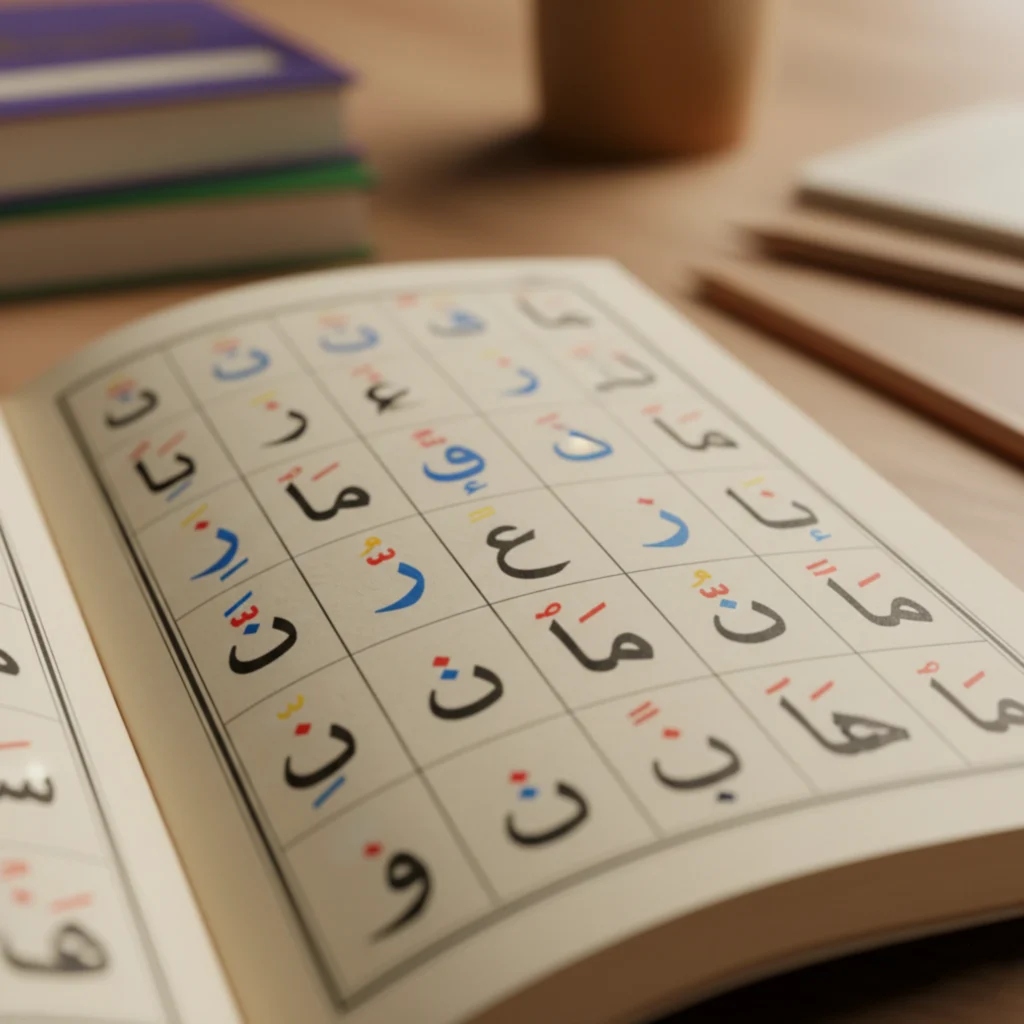
Teachers rely on it because it works. I’ve watched students who skipped these basics struggle later, then come back to Noorani Qaida and say, “Oh… now it makes sense.” That moment matters.
Who Should Learn Noorani Qaida Online
This method is for anyone starting fresh. Children, adults, even those who learned years ago and forgot-it fits all. No age limits, no assumptions.
Parents often tell me their child was shy at first, barely whispering letters. A few weeks later, the same child is confidently correcting themselves. Adults, meanwhile, appreciate learning without feeling rushed or judged.
Benefits of Learning Noorani Qaida Online
Online learning removes small but real barriers. No commuting, no tight schedules, no awkward classroom moments. You log in, learn, and log out-simple.
With Noorani Qaida online classes, learners get direct correction. A teacher can say, “Pause-try that sound again.” Those tiny adjustments early on prevent long-term habits (the kind that are hard to unlearn).
Why Online Noorani Qaida Is Ideal for Beginners
Beginners often hesitate to ask questions face to face. Online, that hesitation fades. “Can you repeat that?” becomes normal, even expected.
I’ve noticed learners relax faster when they’re at home. Familiar space, fewer nerves. It helps more than people realize.
Complete Beginner Roadmap to Learn Noorani Qaida Step by Step
A clear path changes everything. When learners know what’s coming next, anxiety drops. Progress feels real.
Step 1 – Arabic Alphabet Recognition
This is where it starts: recognizing letters and their shapes. Some letters look confusingly similar at first. That’s okay-it happens to almost everyone.
I’ve seen students mix up letters for days, then suddenly get them right in one session. It clicks. Slowly, then all at once.
Step 2 – Harakat (Basic Vowels) and Pronunciation
Now come the vowels-Fatha, Kasra, and Damma. Small marks, big impact. Pronunciation starts to take shape here.

Many learners smile at this stage. They realize sounds aren’t random; they’re structured. That realization builds confidence (and motivation).
Step 3 – Joining Letters and Reading Practice
Letters begin to connect, and words appear. Reading finally feels like reading.
Mistakes still happen. That’s normal. Teachers often remind students: fluency grows through repetition, not speed. Slow is fine. Really.
Step 4 – Basic Tajweed Foundations
At this point, learners are introduced to basic pronunciation rules. Nothing advanced-just awareness.
Think of it as learning to hold a pen correctly before writing pages. Small habits, big payoff later.
Common Mistakes Beginners Make (And How to Avoid Them)
One common mistake is skipping revision. Learners want to move ahead, but consistency matters more than pace. Always has.
Another issue is practicing alone for too long. Self-study helps, sure, but feedback is essential. A teacher’s correction can save months of confusion.
How Long Does It Take to Complete Noorani Qaida
There’s no fixed timeline. Some learners finish in three months. Others take longer. Both are fine.
Children often progress quickly with routine. Adults may take more time-but they usually understand the “why” behind rules more deeply. Different paths, same goal.
Choosing the Right Online Noorani Qaida Course
Not every course is the same. A good one values patience, clarity, and structure. Fancy promises don’t matter as much as steady teaching.
Trial lessons help. You can sense quickly whether a teacher explains calmly or rushes through content (and beginners notice this, even if they don’t say it).
Key Features to Look For
Look for qualified teachers, one-on-one options, and clear progress tracking. Particularly the parents like knowing the position of their child.
Structure builds trust. Trust keeps learners consistent.
Noorani Qaida for Kids vs Adults
Children learn best through repetition and encouragement. Lessons are shorter, often lighter in tone.
Adults usually ask more questions. They want reasons, logic, reassurance. A good teacher adjusts naturally-no comparisons, no pressure.
What Comes After Noorani Qaida
After Noorani Qaida, learners move toward Quran reading with guidance. The transition feels smoother when basics are solid.
Many students say this is where everything pays off. Letters feel familiar. Sounds feel natural. Confidence shows up quietly.
Frequently Asked Questions
No. It’s equally effective for adults and beginners of any age.
Not at all. Noorani Qaida starts from zero.
Short daily practice 15-20 minutes is usually enough.
Some self-study helps, but guided correction makes a big difference.
With consistency and qualified teachers, yes-it can be just as effective.
Conclusion
Learning Quran reading doesn’t have to feel heavy or intimidating. Introducing the appropriate structure and advising the patient, the progress becomes steadily-and gratifying.
You or your child are taking this step, then online Noorani Qaida approach will help in settling such initial steps. Small beginnings matter.