




Fixing Quran pronunciation can be done alone or with a teacher, but results differ greatly. Self-study offers flexibility, while a tutor provides correction and structure. For most learners, especially children, guided learning leads to faster improvement and more accurate recitation.
A Simple Truth Most Learners Miss
Many students practice daily but still repeat the same mistakes.
The issue is not effort. It’s lack of correction.
When reciting the Qur’an, even a small sound change can affect meaning. Proper Tajweed ensures every letter is pronounced correctly.
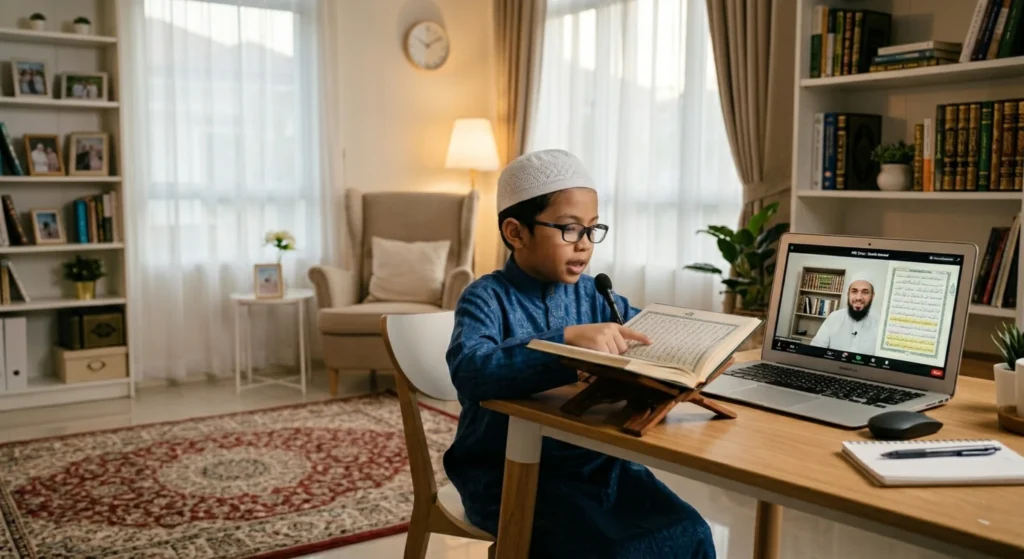
Who This Guide Is For
- Parents in the USA seeking reliable Quran learning for kids
- Students struggling with pronunciation
- Beginners unsure where to start
- Reverts learning Arabic sounds
Why Fixing Pronunciation Matters
Correct recitation builds both accuracy and confidence.
It helps you:
- Recite properly in Salah
- Avoid changing meanings
- Speak clearly and fluently
- Build strong habits early
Children especially benefit from early correction. Mistakes learned young are harder to fix later.
How Quran Pronunciation Improvement Works
Learning Without a Tutor
Many learners begin independently.
They use:
- Audio recitations
- Mobile apps
- Repetition techniques
- Books like Noorani Qaida
This helps with familiarity, but not always accuracy.
Learning With a Tutor
A teacher changes the learning experience.
They provide:
- Real-time correction
- Clear explanation of sounds
- Structured lessons
- Guided practice
This prevents errors from becoming habits.
Benefits at a Glance
Without a Tutor
- Flexible schedule
- Low or no cost
- Self-paced learning
With a Tutor
- Immediate feedback
- Faster progress
- Higher accuracy
- Strong confidence
- Better preparation for Hifz
Direct Comparison
| Aspect | Without Tutor | With Tutor |
|---|---|---|
| Accuracy | Moderate | High |
| Error detection | Weak | Strong |
| Learning speed | Slow | Faster |
| Confidence | Unstable | Strong |
| Best for kids | No | Yes |
What Often Goes Wrong Without Guidance
Learners usually don’t notice their own mistakes.
Common problems include:
- Repeating incorrect sounds daily
- Mixing similar Arabic letters
- Ignoring articulation points
- Assuming correctness without feedback
These errors become fixed habits over time.
Common Mistakes to Avoid
- Learning only by listening
- Skipping pronunciation basics
- Rushing through verses
- Ignoring small errors
- Practicing without correction
Consistency helps, but only if practice is correct.
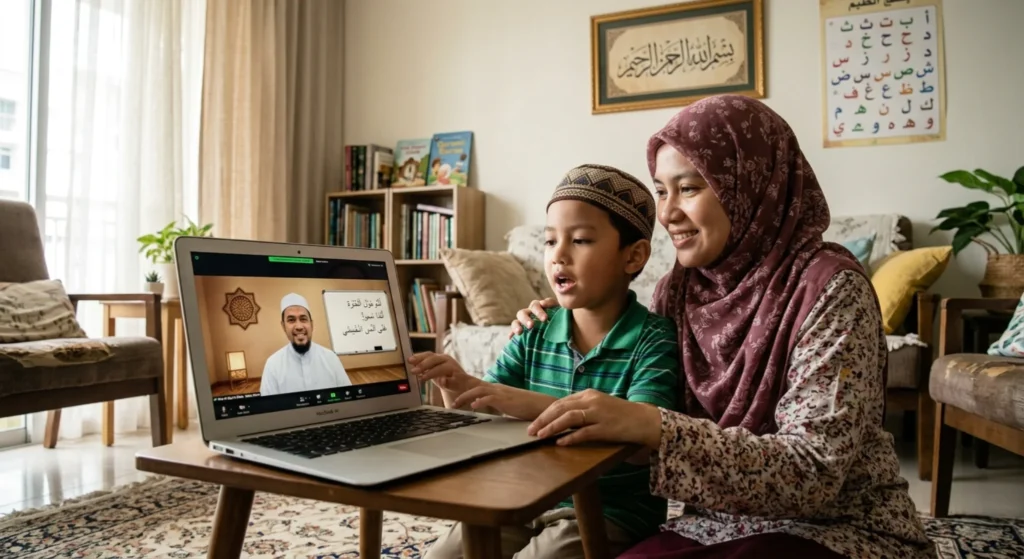
Addressing Parent Concerns
“What if my child learns incorrectly?”
This is a real risk. Children copy what they hear. Without correction, mistakes become permanent habits.
“Is online learning effective?”
Yes, if it includes live teaching and feedback. Passive videos alone are not enough.
“What if progress is slow?”
Progress improves when lessons are structured. Regular feedback also keeps learners on track.
What Changes With the Right Support
Before guidance:
- Hesitation in recitation
- Unclear pronunciation
- Low confidence
After guidance:
- Smooth reading
- Clear sounds
- Strong confidence
This transformation builds both skill and comfort.
What to Look for in a Reliable Learning Setup
Qualified Teachers
- Trained in Tajweed
- Experience with non-Arabic learners
Safe Learning Environment
- Secure platforms
- Parent-friendly sessions
Active Supervision
- Direct correction
- Focused attention
Structured Curriculum
- Step-by-step progression
- Use of beginner materials
Progress Tracking
- Regular assessments
- Clear improvement goals
Can You Fix Quran Pronunciation Without a Tutor?
Yes, but progress is slower. Mistakes often go unnoticed, which can lead to long-term errors. Without expert correction, learners may repeat incorrect sounds and struggle to improve accuracy.
Is a Tutor Necessary for Proper Pronunciation?
For most learners, a tutor is highly beneficial. They ensure correct pronunciation, faster improvement, and proper understanding of Tajweed rules, especially for beginners and children.
Choosing the Right Path
You may not need a tutor forever.
But starting with guidance saves time and effort.
A tutor helps you build a correct foundation. After that, self-practice becomes more effective.
A Smarter Learning Approach
The best results often come from combining methods:
- Learn basics with a tutor
- Practice independently
- Return for correction
This balance improves both accuracy and confidence.
FAQs
Yes, but progress is slower and mistakes often go unnoticed. Without correction, learners may repeat errors and struggle to achieve accurate pronunciation.
“For most learners, especially beginners and children, a tutor is highly recommended to ensure correct pronunciation and faster progress.
“With a tutor, noticeable improvement can happen within weeks. Self-study may take longer depending on consistency and accuracy.
The best method is guided learning with a qualified teacher combined with consistent personal practice.”
“Children can start independently, but they benefit greatly from teacher guidance to avoid developing incorrect pronunciation habits.
Final Thoughts
If your goal is to truly fix Quran pronunciation, your method matters.
Self-study can help you begin. Guided learning helps you improve correctly.
Choose a path that reduces mistakes, builds confidence, and supports long-term progress.